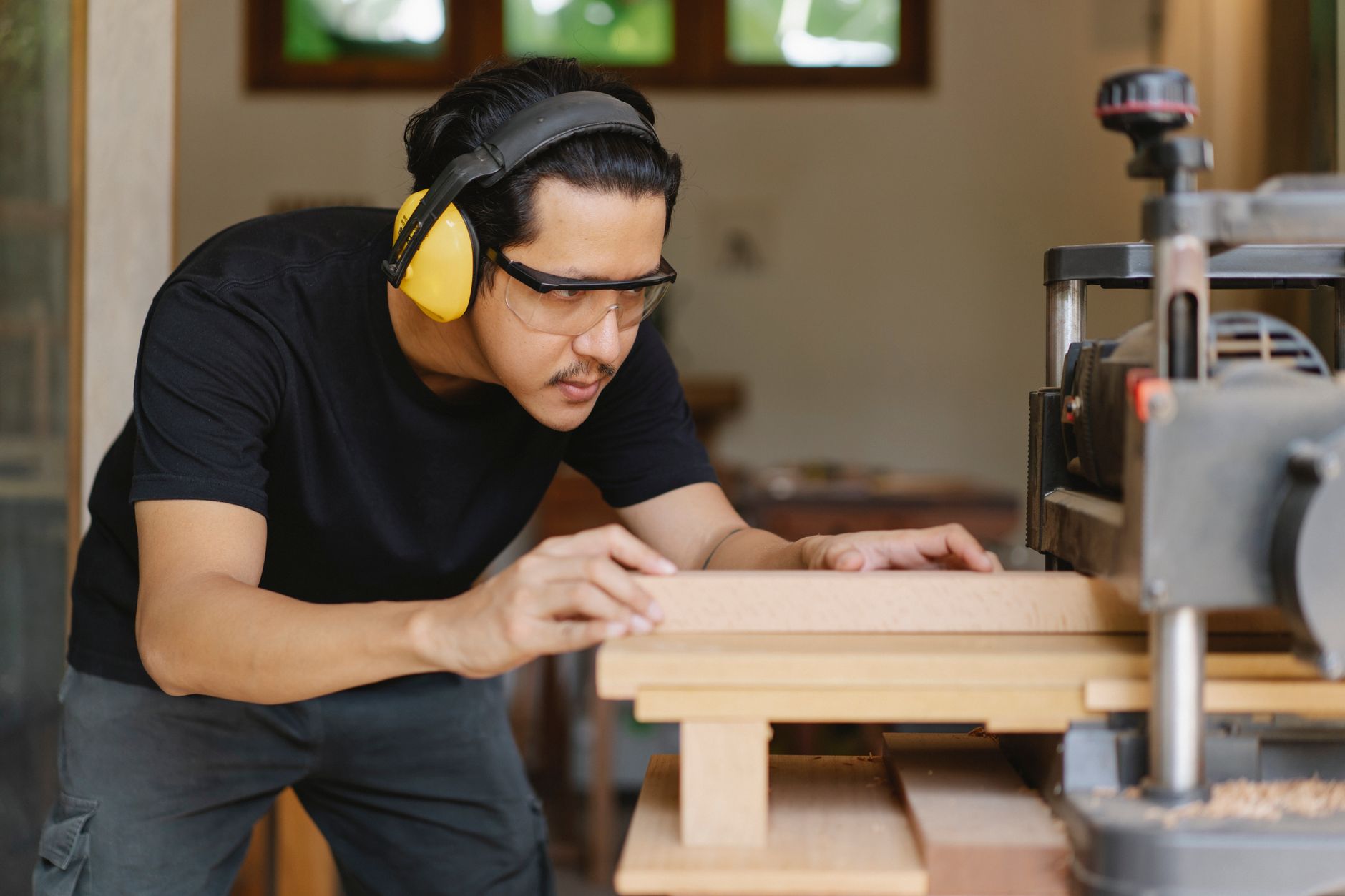
Best Electric Planers Australia 2025: Smoothing Timber Like a Pro
Quick summary: An electric planer takes the elbow grease out of smoothing and trimming timber, making it essential for doors, decking and furniture work. The Makita KP0810 electric planer is our top all-rounder at around $219, while the Bosch PHO 1500 planer suits budget-conscious DIYers from roughly $149. Cordless options like the Makita DKP180Z 18V planer (around $329, skin only) offer freedom for deck work, but corded models still win on sustained power for furniture making.
Nobody enjoys wrestling a sticky door or a cupped deck board with a hand plane. An electric planer turns a ten-minute arm workout into a thirty-second job, and it does it more evenly too.
Whether you're trimming doors, flattening decking, or prepping furniture stock, this guide covers what matters and which models are worth your money in 2025.
Why Choose an Electric Planer Over a Hand Plane
A good hand plane, properly sharpened, can do beautiful work. But it takes practice, patience, and a steady hand to get consistent results.
An electric planer does the heavy lifting for you. The motor spins the cutting blades at thousands of RPM, so you get a clean, even finish without the technique a hand plane demands.
Speed and Precision Benefits
Power planers are faster — there's no argument there. A door edge that might take fifteen minutes with a hand plane takes under two minutes with an electric one.
They're also more precise for beginners. Most models have a depth adjustment dial that locks in a consistent cutting depth across the full pass, so you won't end up with the uneven gouges that are common with a hand plane when you're still learning.
For repetitive jobs — trimming multiple doors, prepping a stack of deck boards — this consistency matters a lot.

Key Features to Compare Before Buying
Not all electric planers are built the same. Before you hand over your cash, check these three things.
Blade Quality and Replacement
Most planers use either double-edged reversible blades (use one side, flip it, use the other) or traditional high-speed steel (HSS) blades that need sharpening.
Reversible tungsten carbide blades, like those on most Makita and Bosch models, last far longer and stay sharper through painted timber or decking with embedded grit. Expect to pay $25-$40 AUD for a replacement blade set at Bunnings or Total Tools.
Dust Collection Systems
Planing throws out a surprising amount of shavings and fine dust. Look for a model with a dust bag or vacuum port — the better ones have both left and right ejection ports so you can direct chips away from your body regardless of which way you're working.
If you're planing indoors — fitting a door while it's still hung — dust collection isn't optional. It's the difference between a tidy job and a floor covered in shavings.
Cutting Depth and Width
What cutting depth do I need for an electric planer?
For most home jobs — door trimming, deck board smoothing, general furniture prep — a maximum cutting depth of 2-3mm is plenty. Entry-level planers often max out around 1.5-2mm, which is fine for light finishing passes but slow going if you need to remove a lot of material.
For bigger jobs, like dropping a door by 5-10mm to clear new flooring, look for a planer with at least 2.5mm depth and a blade width of 82mm, which is the standard width that matches most commercial planer blades.
Best Electric Planers in Australia 2025
Here's how the major brands stack up for Aussie DIYers and tradies in 2025.
| Model | Type | Max Depth | Price (approx) | Best For |
|---|---|---|---|---|
| Makita KP0810 electric planer | Corded | 2.5mm | $219 | All-round use, doors & furniture |
| Makita DKP180Z 18V planer | Cordless | 2mm | $329 (skin only) | Deck work, on-site trimming |
| DeWalt DW680K planer | Corded | 2mm | $259 | Tradie-grade durability |
| Bosch PHO 1500 planer | Corded | 1.5mm | $149 | Budget DIY, occasional use |
| Ozito PXC 18V planer | Cordless | 1.5mm | $99 (skin only) | Light-duty budget cordless |
Makita Electric Planers
Makita has long been the benchmark for power planers in Australia, and the KP0810 lives up to the reputation. It's got a solid 820W motor, a 2.5mm max depth, and dual dust ports.
Which electric planer brand is best, Makita or Bosch?
For most buyers, Makita edges it. The build quality and blade durability are noticeably better, and Makita's wider Australian service network means parts and blades are easy to find at Bunnings, Total Tools or Mitre 10. Bosch is a perfectly good choice for lighter, occasional use, but Makita holds up better under regular tradie-style punishment.
DeWalt Electric Planers
The DeWalt DW680K is the tradie's pick. It's heavier than the Makita but feels bombproof, with a sturdy depth adjustment knob and a comfortable rear handle. At around $259 it's pitched slightly above the Makita, and you're paying for ruggedness rather than extra features.
Bosch Electric Planers
Bosch's PHO 1500 is the sensible budget-corded option. It won't outlast a tradie's daily use, but for home renos, occasional door trims, and the odd furniture project, it does the job well and is one of the cheapest genuinely reliable planers on the market.
Best Budget Electric Planers
If you just need a planer for a once-off job — fitting a new door, smoothing a few deck boards — the Ozito PXC 18V planer is hard to beat at under $100 (skin only, assuming you already have an Ozito PXC battery). It won't handle heavy daily use, but for light jobs it's genuinely good value.
How much does a good electric planer cost in Australia?
Budget $150-$250 for a quality corded planer from a reputable brand, or $250-$350 for a cordless model including battery and charger. Entry-level budget planers start around $80-$100 but expect shorter blade life and less consistent depth control.

Matching the Planer to the Job
Trimming and Fitting Doors
What is the best electric planer for trimming doors in Australia?
The Makita KP0810 is our pick here. Doors need fine, controlled passes along the hinge or latch edge, and the Makita's depth dial makes it easy to take off just 0.5mm at a time until the door swings freely. Its compact size also makes it easier to balance on a door edge than bulkier cordless models.
Smoothing Deck Boards
Can you use an electric planer to smooth deck boards?
Yes, and it's a common use case. Weathered or cupped deck boards can be run through with an electric planer to flatten the surface before oiling or staining. Just be aware that outdoor timber often has embedded grit and sand, which blunts blades faster — tungsten carbide reversible blades handle this far better than cheap HSS ones.
How do I choose an electric planer for timber decking?
Prioritise blade durability over raw power. A cordless model like the Makita DKP180Z is genuinely useful here too, since you're not dragging extension leads across a deck. Look for a model with wide-set front shoe rollers, which help you track straight along long board runs.
Furniture Making Precision
Is a cordless or corded electric planer better for furniture making?
Corded wins for furniture work. You need consistent, sustained power for repeated passes on cabinet sides or tabletops, and corded motors don't suffer the slight power sag that cordless tools can show as the battery depletes. The Makita KP0810 or DeWalt DW680K are both good choices for a home workshop.
Corded vs Cordless Planers: Which Wins
There's no universal winner — it depends on where you're working.
Corded planers offer consistent power, generally lower prices, and no battery to run flat mid-job. They're the better choice for workshop-based furniture making and frequent indoor use.
Cordless planers win on convenience, especially outdoors or on a job site without easy power access — think deck work, fencing, or trimming a door on site before a power board is installed. The trade-off is a higher upfront cost if you don't already own batteries in that brand's ecosystem, and slightly less grunt on tough cuts.
If you're starting from scratch and only buying one planer, go corded. If you already have an 18V battery platform from drills and saws, a cordless planer is a handy addition.
Maintenance Tips to Extend Blade Life
A few habits will keep your planer cutting cleanly for years:
- Clean after every use. Shavings and dust build up around the blade housing and can affect cutting accuracy.
- Check blades for nicks before starting a job, especially on reclaimed or outdoor timber that may hide grit, nails or old paint.
- Rotate reversible blades as soon as you notice tearing rather than clean shavings — a dull blade strains the motor and gives a rougher finish.
- Store with the sole plate protected, either on its side stand or with a cover, so the blades don't nick against other tools in your shed.
- Keep the depth set to zero when not in use, so the blade isn't exposed during storage or transport.
Frequently Asked Questions
Do I need a planer if I only own a hand plane?
If you're doing one-off small jobs, a hand plane is fine. An electric planer earns its keep once you're trimming multiple doors or tackling decking-sized jobs regularly.
What width of timber can an electric planer handle?
Most standard planers have an 82mm wide cutting blade, matching a standard door edge or single deck board. Wider stock needs multiple overlapping passes.
Can an electric planer round over edges?
Most models have a V-groove in the sole plate for chamfering edges, but they're not designed for decorative round-overs — that's a router's job.
The Bottom Line
For most Australian DIYers and renovators, the Makita KP0810 is the smartest buy — reliable, precise, and reasonably priced at around $219.
If you're mostly working outdoors on decking or on-site door fits, the cordless Makita DKP180Z is worth the extra spend for the convenience. And if you only need a planer for one project, the Bosch PHO 1500 or Ozito PXC budget option will get the job done without breaking the bank.
Whichever you choose, keep your blades sharp and your dust collection sorted, and you'll get clean, professional results every time.


