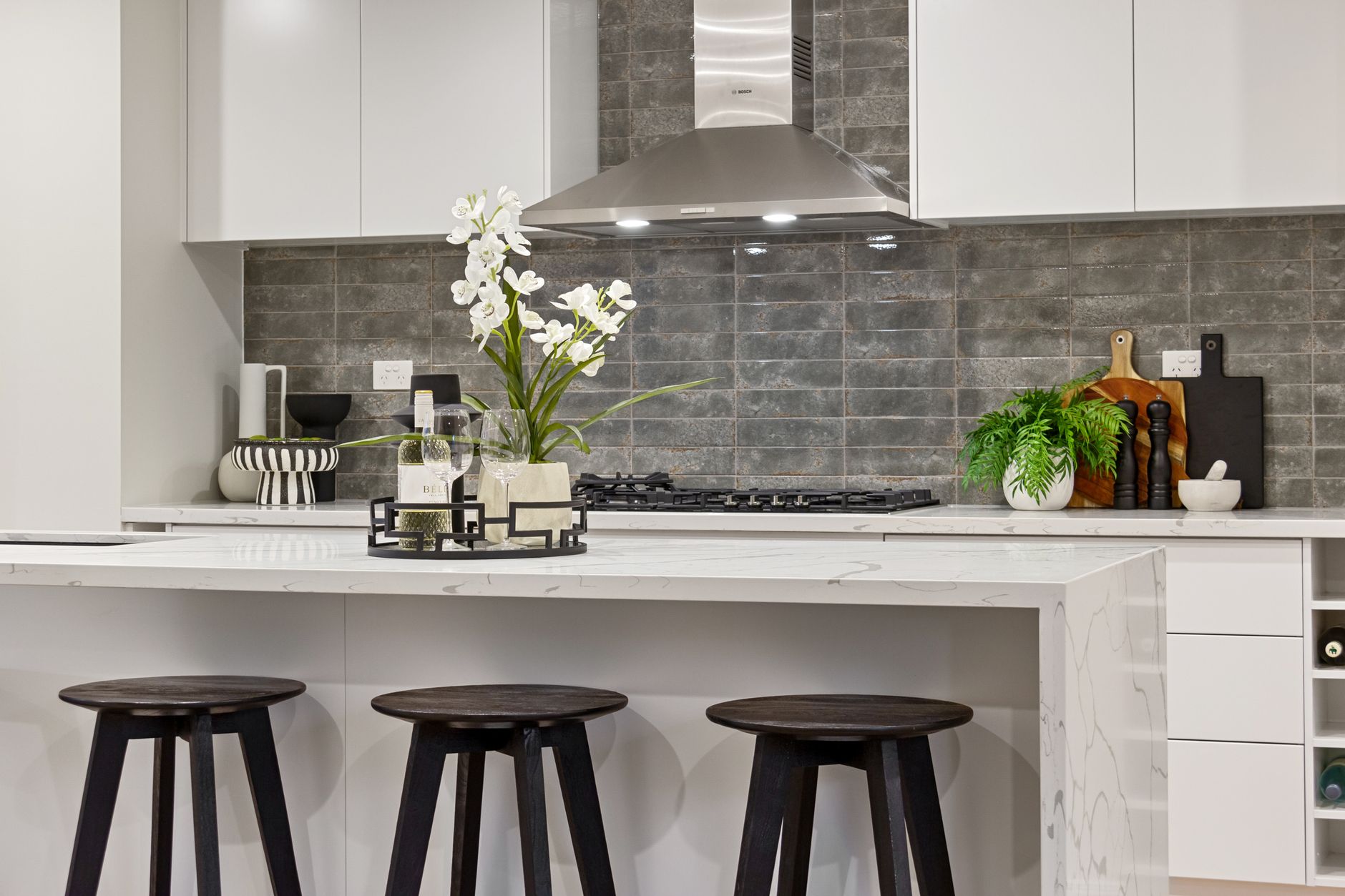
Best Rangehood for Australian Kitchens: Canopy vs Undermount vs Island
Quick Summary: The best rangehood for Australian kitchens depends on your layout, cooking habits, and budget. Canopy rangehoods ($200-$800) suit traditional setups, undermount models ($400-$1200) offer sleek integration, while island rangehoods ($600-$2000+) create stunning focal points. Calculate 10-12 CFM per square foot of kitchen area, with ducted systems being most effective for heavy cooking.
Selecting the right rangehood can make or break your kitchen renovation. With Australia's love for outdoor-style cooking indoors—think wok frying, barbecue-style grilling, and aromatic curries—proper ventilation isn't just about removing smoke. It's about protecting your investment in cabinetry, preventing moisture damage, and keeping cooking odours from lingering throughout your home.
The Australian market offers three main rangehood categories, each suited to different kitchen layouts and design preferences. Understanding these options, along with ventilation requirements and installation considerations, will help you choose the perfect system for your space.
Types of Rangehoods: Canopy vs Undermount vs Island
Canopy Rangehoods: Traditional Wall-Mounted Option
Canopy rangehoods mount directly to the wall above your cooktop, extending outward to capture rising steam and smoke. These traditional units work exceptionally well in galley kitchens or against straight walls where the cooktop sits below upper cabinets.
The Schweigen IN-Silent rangehood 900mm canopy represents the gold standard in Australian-made canopy rangehoods, featuring their signature silent operation system with external motors. At around $1,200-$1,500, it's an investment that pays dividends in noise reduction and performance.
Budget-conscious renovators can find solid options like the Westinghouse WRH908SS 900mm canopy rangehood for approximately $300-$400. While not silent, these units provide adequate ventilation for moderate cooking with straightforward installation.
Canopy rangehoods typically offer the strongest suction due to their size and positioning. The larger collection area means they can handle heavy cooking sessions, making them ideal for families who frequently stir-fry, deep-fry, or cook aromatic dishes that generate significant steam and odours.
Undermount Rangehoods: Sleek Built-In Design
Undermount rangehoods integrate seamlessly beneath overhead cabinets, creating a clean, minimalist appearance that many Australian homeowners prefer. These units work particularly well in contemporary kitchen designs where visual continuity is paramount.
Installation requires precise cabinet measurements, as the rangehood must fit perfectly within the cabinet space. Most models range from 600mm to 900mm wide, matching standard Australian cabinet dimensions.
The Bosch Serie 6 DHL785C undermount rangehood offers excellent performance at around $800-$1,000, featuring multiple fan speeds and LED lighting. For those seeking premium German engineering, this model provides quiet operation and efficient grease filtration.
Undermount units generally produce less suction than canopy models due to their compact size, but they're perfectly adequate for electric cooktop users or those who cook with moderate heat levels. The trade-off between aesthetics and raw performance makes them popular in open-plan Australian homes where the kitchen flows into living areas.
Island Rangehoods: Statement Ceiling-Mounted Units
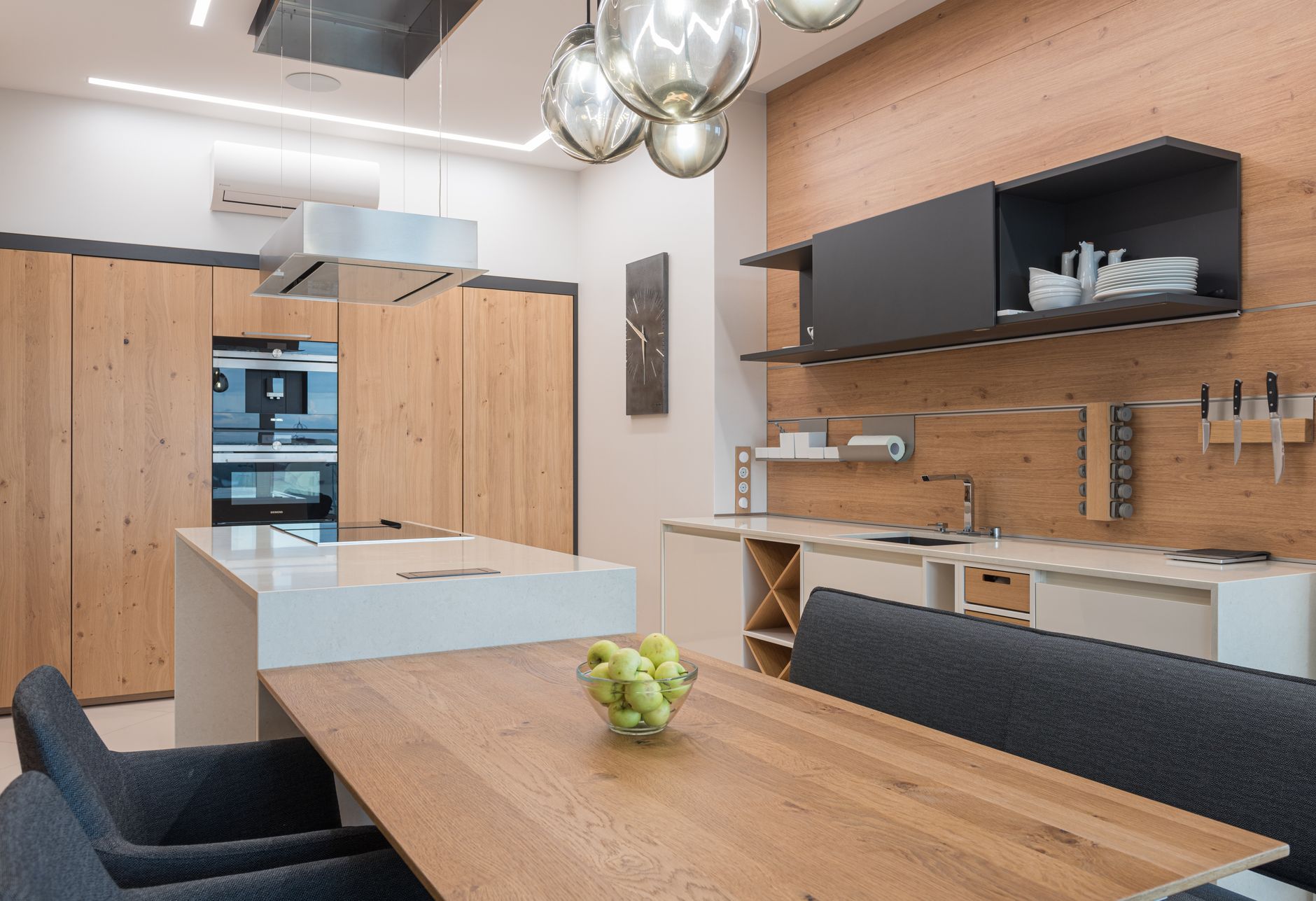
Island rangehoods suspend from the ceiling above standalone kitchen islands, creating dramatic focal points while providing 360-degree ventilation coverage. These units require robust ceiling support and careful positioning to avoid head strikes while maintaining effective capture zones.
The Appliances Online Omega ORT9S-X 900mm island rangehood delivers solid performance at approximately $600-$800, featuring stainless steel construction and variable speed controls. Its contemporary design suits most Australian kitchen styles without overwhelming smaller spaces.
Installation complexity increases significantly with island rangehoods, as they require both electrical connections and ducting routed through ceiling spaces. Professional installation typically costs $400-$800 additional, depending on your home's construction and accessibility.
These units excel in large, open-plan kitchens where the island serves as the primary cooking zone. The overhead positioning provides excellent capture rates for tall pots and wok cooking, making them ideal for serious home cooks who need maximum ventilation performance.
Understanding CFM Requirements for Australian Cooking
Calculating the Right CFM for Your Kitchen Size
CFM (Cubic Feet per Minute) measures how much air your rangehood moves, directly impacting its ability to remove cooking odours, steam, and grease particles. Australian kitchens typically require higher CFM ratings than European standards due to our preference for high-heat cooking methods.
Calculate your minimum CFM requirement using this formula: Kitchen length × width × 10-12 CFM per square foot. A standard 4m × 3m kitchen needs approximately 1,300-1,600 CFM for effective ventilation.
Most quality rangehoods offer multiple speed settings, allowing you to adjust airflow based on cooking intensity. Light sautéing might require only 300-400 CFM, while stir-frying or grilling demands maximum output.
Consider ceiling height in your calculations. Kitchens with 3-metre or higher ceilings need additional CFM to compensate for the increased air volume. Add 10-15% to your base calculation for every 30cm above standard 2.4-metre ceiling height.
Gas vs Electric Cooktop Ventilation Needs
Gas cooktops generate more heat, moisture, and combustion byproducts than electric alternatives, requiring approximately 25-30% more ventilation capacity. A gas cooktop also produces water vapour as a combustion byproduct, adding to the moisture load your rangehood must handle.
Electric cooktops, particularly induction models, produce less ambient heat but can generate intense localised temperatures during high-power cooking. While they require less overall CFM, maintaining adequate ventilation prevents cooking odours from dispersing throughout your home.
Wok burners and high-BTU gas ranges demand premium ventilation solutions. Professional-style gas ranges often require 900-1,200 CFM minimum, with some installations needing up to 1,500 CFM for optimal performance.
Ducted vs Recirculating Rangehoods Explained
Ducted Systems: Venting Outside Your Home
Ducted rangehoods exhaust cooking vapours directly outside through wall or roof vents, providing superior odour and moisture removal. These systems require professional installation but offer the most effective long-term solution for Australian cooking styles.
Ducting runs should be as short and straight as possible, with minimal bends to maintain airflow efficiency. Every 90-degree bend reduces CFM output by approximately 10-15%, so plan your route carefully during renovation.
External wall vents work best for single-storey homes or apartments with exterior wall access. Roof vents suit multi-storey homes but require weatherproof flashing and regular maintenance to prevent leaks during Australia's intense weather conditions.
Cost considerations include ducting materials ($150-$400), external vents ($50-$200), and professional installation labour ($300-$800). The total investment typically ranges from $500-$1,400 depending on complexity and access requirements.
Recirculating Systems: Filtering and Recirculating Air
Recirculating rangehoods filter cooking air through activated carbon and grease filters before returning it to the kitchen. These systems work well in apartments, units, or homes where external ducting isn't practical or permitted.
Modern charcoal filters effectively remove most cooking odours, though they require replacement every 3-6 months depending on cooking frequency. Budget $40-$80 annually for filter replacements in average households.
Performance limitations become apparent during heavy cooking sessions, as recirculating systems can't remove moisture as effectively as ducted alternatives. This can lead to condensation issues in poorly ventilated kitchens, particularly during winter months.
Installation simplicity makes recirculating systems attractive for DIY renovators. Most units require only electrical connection and cabinet mounting, eliminating ducting complexity and associated costs.
Installation Requirements and Costs in Australia
Electrical and Ducting Considerations
Most Australian rangehoods require standard 240V power supply, typically installed on a dedicated circuit for optimal performance. Older homes may need electrical upgrades to handle modern rangehood power requirements, particularly for high-CFM professional units.
Ducting installation varies significantly based on your home's construction. Brick veneer homes allow relatively easy external wall penetration, while double-brick or rendered construction requires specialised cutting equipment and weatherproofing expertise.
Ceiling-mounted island rangehoods present the greatest installation challenges, often requiring structural assessment to ensure adequate support. A typical island rangehood weighs 15-25kg, demanding robust ceiling framing or additional support brackets.
Building regulations in most Australian states require mechanical ventilation in kitchens, though specific requirements vary by location. Check with your local council regarding permits and compliance requirements before beginning installation.
Professional Installation vs DIY Options
Professional installation ensures compliance with Australian electrical codes and building standards while providing warranty coverage for workmanship issues. Licensed electricians charge approximately $100-$150 per hour, with typical installations taking 2-4 hours depending on complexity.
DIY installation suits undermount rangehoods in straightforward cabinet installations with existing electrical supply. Canopy rangehoods require moderate DIY skills but remain manageable for competent home renovators with proper tools and electrical knowledge.
Island rangehoods and ducted systems generally exceed DIY capabilities due to electrical, structural, and weatherproofing requirements. Professional installation costs $400-$1,200 but eliminates risks of incorrect installation, electrical hazards, or weather damage from improper sealing.
Factor installation costs into your rangehood budget from the outset. A $400 DIY rangehood might become a $1,000 project after professional electrical work and ducting installation.

Best Rangehood Brands by Budget Range
Budget Options Under $500
The Artusi ARH-C9SS-1 900mm canopy rangehood delivers solid performance at approximately $280-$320, featuring three-speed operation and basic LED lighting. While not silent, it provides adequate ventilation for light to moderate cooking in smaller Australian kitchens.
Westinghouse dominates the budget segment with reliable models like the Westinghouse WRH608SS 600mm undermount rangehood at around $250-$300. These units offer essential features without premium materials or advanced noise reduction technology.
Budget rangehoods typically sacrifice quiet operation and advanced features for affordability. Expect basic controls, standard lighting, and moderate noise levels that suit casual cooking styles but may prove insufficient for serious home chefs.
Warranty coverage usually extends 12-24 months for budget models, compared to 3-5 years for premium brands. Factor potential replacement costs when choosing budget options, as repair economics often favour replacement over repair.
Mid-Range Quality $500-$1500
Bosch and Fisher & Paykel dominate the mid-range segment, offering reliable performance with enhanced features and materials. The Fisher Paykel HC90PCSX1 900mm canopy rangehood provides excellent value at $600-$800, featuring easy-clean filters and efficient LED lighting.
Mid-range rangehoods typically include variable speed controls, improved noise reduction, and better build quality. Stainless steel construction becomes standard, along with dishwasher-safe filters that simplify maintenance.
Installation flexibility increases in this price range, with many models offering both ducted and recirculating operation from the same unit. This versatility proves valuable for future renovations or relocation scenarios.
Warranty coverage extends to 2-3 years for most mid-range models, with comprehensive parts and labour coverage providing peace of mind for your investment.
Premium Rangehoods $1500+
Schweigen leads the premium Australian rangehood market with their innovative silent technology featuring external motors. The Schweigen ClariHood 900mm undermount silent rangehood represents the pinnacle of quiet operation at approximately $1,800-$2,200.
Premium features include commercial-grade materials, advanced noise suppression, intelligent sensors, and premium LED lighting systems. These rangehoods suit serious home cooks who demand restaurant-quality ventilation performance.
European brands like Miele and Gaggenau offer ultra-premium options exceeding $2,500, featuring