How to Fix Squeaky Door Hinges: 5 Methods That Actually Work
Quick summary: Squeaky door hinges are almost always caused by dried-out lubricant, rust, or dust buildup between the hinge parts. You can usually fix squeaky door hinges in under five minutes using cooking oil, petroleum jelly, silicone spray, white lithium grease, or graphite powder. If the hinge is rusted through or the door sags, lubricant won't help — it's time to replace the hinge.
Why Door Hinges Squeak in the First Place
A door hinge is just metal rubbing against metal. Inside every hinge there are two leaves joined by a pin, and that pin needs a thin layer of lubricant to stop friction.
Once that lubricant dries out, disappears, or gets contaminated with dust and grit, you get that horrible metallic squeal every time the door moves.
It sounds worse than it is. Nine times out of ten, this is a five-minute fix, not a hardware replacement job.
Common Causes in Older Homes and Humid Climates
If you're wondering why do door hinges squeak in older houses more than newer ones, it comes down to a few things:
- Original factory lubricant has long since evaporated — most hinges are only greased once, at manufacture.
- Decades of paint layers have built up around the hinge, adding friction and trapping moisture.
- Humidity and coastal air speed up oxidation, especially in Queensland, northern NSW, and anywhere near the coast.
- Cheaper steel hinges in older Australian homes weren't always galvanised, so they rust faster than modern stainless or brass hardware.
If your home is older than about 20 years and you've never touched the hinges, some squeaking is basically guaranteed.
What You'll Need Before You Start
You don't need much. Grab whichever of these you have on hand:
- A rag or old cloth
- A flat-head screwdriver or hammer and nail punch (for removing hinge pins)
- One lubricant of choice: cooking oil, petroleum jelly, CRC Silicone Lubricant Spray , white lithium grease spray , or graphite powder
- Fine steel wool or a wire brush (for rust removal)
- Newspaper or a drop sheet to protect flooring
Total cost if you're buying from scratch: usually under $20 from Bunnings or Total Tools.
Method 1: Quick Fix With Household Lubricants
This is the fastest way to fix squeaky hinges if you can't be bothered driving to the hardware store.
Open the door fully and work the hinge back and forth a few times so the lubricant can travel through the joint.
Using Cooking Oil or Petroleum Jelly
Both work in a pinch, answering the common question: what household items can I use to stop a door hinge squeaking?
- Cooking oil (olive, vegetable, canola) — dab a few drops directly onto the hinge pin where it meets the barrel. Work the door open and shut a dozen times.
- Petroleum jelly — smear a small amount along the visible hinge pin with your finger or a cotton bud.
The catch: both are temporary. Cooking oil especially can go gummy or attract dust within a few weeks, so treat this as an emergency fix before a proper lubricant, not a permanent solution.
Method 2: Silicone Spray for a Longer-Lasting Fix
Silicone spray is the go-to door hinge lubricant for most tradies because it doesn't attract dust the way oil-based products do.
Products like CRC Silicone Lubricant Spray (around $12–$15 at Bunnings or Repco) come with a thin nozzle that lets you spray directly into the hinge gap without coating the whole door.
How to apply it:
- Slide newspaper behind the hinge to catch overspray.
- Spray a short burst directly onto the pin.
- Open and close the door 15–20 times to work it in.
- Wipe off any excess with a rag.
This is also the best answer if you're after how do I fix a squeaky door hinge without taking it apart — no tools required, no pin removal, just spray and go.
Method 3: White Lithium Grease for Heavy-Duty Hinges
For external doors, gates, or heavy fire-rated internal doors, silicone spray sometimes isn't thick enough to last. This is where white lithium grease earns its keep.
It's thicker, more water-resistant, and holds up far better in humid or coastal conditions. white lithium grease spray costs around $10–$14 at Bunnings or Supercheap Auto and is commonly used on trailer hinges and gate hardware, which tells you how tough it is.
Apply the same way as silicone spray — direct onto the pin, then cycle the door repeatedly to spread it through the joint.
Method 4: Removing and Cleaning the Hinge Pin
If lubricant alone isn't cutting it, the squeak is probably coming from rust or gunk built up inside the hinge barrel, not just a dry pin.
Steps:
- Open the door and support it (or get a second person to hold it).
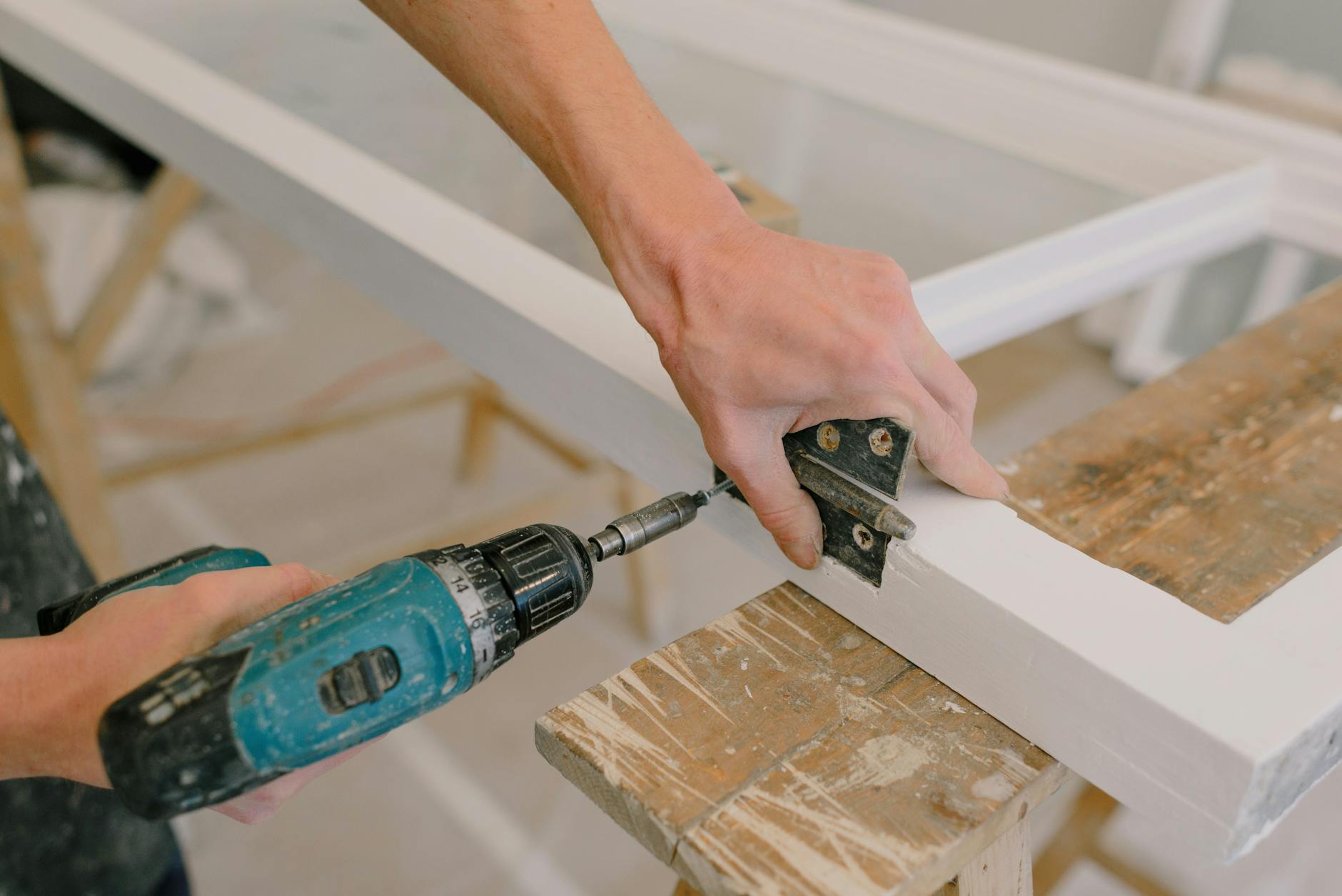
- Tap the hinge pin upward using a flat-head screwdriver and hammer, or a nail punch for stubborn pins.
- Once removed, wipe the pin clean with a rag.
- Use fine steel wool to scrub off any rust or old paint.
- Apply your chosen lubricant generously to the pin.
- Slide it back into the barrel and tap gently back into place.
- Test the door.
This takes about 10 minutes per hinge but usually solves squeaks that spray lubricants can't fully fix.
Method 5: Graphite Powder for a Mess-Free Solution
If you'd rather avoid oils or sprays altogether — especially on painted doors where grease can stain — graphite powder is worth trying.
It's a dry lubricant, so there's no drip, no mess, and no dust-attracting residue. Squeeze a small amount from the applicator tube directly into the hinge gap, then work the door back and forth.
You'll find graphite powder tubes at Bunnings for around $8–$10, usually in the lock and key aisle.
One common concern is is WD-40 bad for door hinges in the long term? The short answer: yes, somewhat. WD-40 is a solvent-based penetrant, not a true lubricant — it's great for loosening a rusted pin initially, but it evaporates quickly and can actually wash away existing grease, leaving the hinge squeaking again within a week or two. Use it to loosen a stuck pin, then follow up with silicone spray, lithium grease, or graphite for the actual lubrication.
When to Replace the Hinge Instead of Lubricating It
Sometimes no amount of lubricant will fix the problem. So when should I replace a door hinge instead of oiling it?
Replace the hinge if:
- The door sags or drags on the floor/frame
- The hinge leaves are visibly bent or warped
- Screws no longer bite into the timber and the hinge wobbles
- Rust has eaten through the metal, not just surface-level
Signs of Rust and Corrosion Damage
Surface rust responds well to steel wool and grease. But if you see flaking, pitting, or rust that's eaten a hole through the hinge leaf, that's structural failure, not a maintenance issue.
Replacement hinges are cheap — a standard 100mm steel butt hinge runs about $4–$8 at Bunnings, and a brass or stainless option for coastal areas is closer to $12–$18 per hinge. Given how affordable they are, don't waste hours fighting a hinge that's genuinely worn out.
| Method | Cost | Best For | Longevity |
|---|---|---|---|
| Cooking oil / petroleum jelly | $0 (already home) | Emergency, temporary fix | Days to a few weeks |
| Silicone spray | $12–$15 | Most internal doors | Several months |
| White lithium grease | $10–$14 | External doors, gates, heavy use | 6–12 months |
| Graphite powder | $8–$10 | Painted doors, no-mess preference | 3–6 months |
| Hinge pin cleaning | Free (tools only) | Rusty or gunked-up hinges | Resets the problem |
| Hinge replacement | $4–$18 per hinge | Sagging, rusted-through, warped hinges | Years |
How to Prevent Squeaky Hinges From Coming Back
Good hinge maintenance is mostly about consistency, not effort.
- Lubricate all door hinges in the house once every 6–12 months, even if they're not squeaking yet.
- In coastal or humid homes, shorten that to every 3–6 months.
- Wipe down hinges when dusting door frames — dust buildup is a sneaky contributor to friction.
- Consider upgrading high-use exterior doors (like the laundry or back door) to stainless steel hinges next time you're renovating.
A five-minute spray twice a year is genuinely all it takes to stop this problem returning.
Frequently Asked Questions
Can I use WD-40 on door hinges? Yes, but only to loosen a stuck or rusted pin. Follow up with silicone spray or lithium grease for lasting lubrication, since WD-40 evaporates quickly.
Why does my door only squeak sometimes? Inconsistent squeaking is often humidity-related — timber frames expand and contract, changing the angle of pressure on the hinge pin.
Is it bad to leave a squeaky hinge untreated? It won't damage the door immediately, but prolonged dry friction accelerates wear and rust, eventually requiring full hinge replacement.
Do I need to remove the door to fix a squeaky hinge? No — most fixes, including spray lubricants and even pin cleaning, can be done with the door still on its frame.
Bottom Line
Most squeaky door hinges are fixed in minutes, not hours. Start with what's already in your kitchen cupboard, upgrade to silicone spray or white lithium grease for a longer-lasting result, and only pull the pin if the squeak persists.
If you spot rust eating through the metal or a door that's visibly sagging, stop lubricating and just replace the hinge — at under $10 each from Bunnings, it's cheaper than your time is worth.