Smart Garage Door Openers: WiFi Controllers and Apps for Australian Homes
Quick summary: A smart garage door opener lets you check, open and close your garage door from your phone, no matter where you are. You can retrofit a WiFi controller onto most existing motors for $80–$200, or replace the whole opener for $350–$600 if yours is old or chain-driven. Look for open-door alerts, Google Home/Alexa support, and two-factor security before you buy.
Leaving the garage door open overnight is one of those small panics every homeowner knows. The washing machine runs, the kids leave on bikes, and nobody remembers to check the garage before bed.
A smart garage door opener fixes that problem completely. You get a live status on your phone, a push notification if the door's been open too long, and the ability to close it from the office, the beach, or interstate.
The good news for Australian homeowners: you almost never need to replace your whole garage door motor to get these features.
Why Upgrade to a Smart Garage Door Opener
The appeal isn't just convenience — it's peace of mind. Tradies leaving mid-morning, kids coming home from school, deliveries left in the garage instead of on the doorstep — a smart garage door controller handles all of it without you needing to be home.
Remote Monitoring and Open-Door Alerts
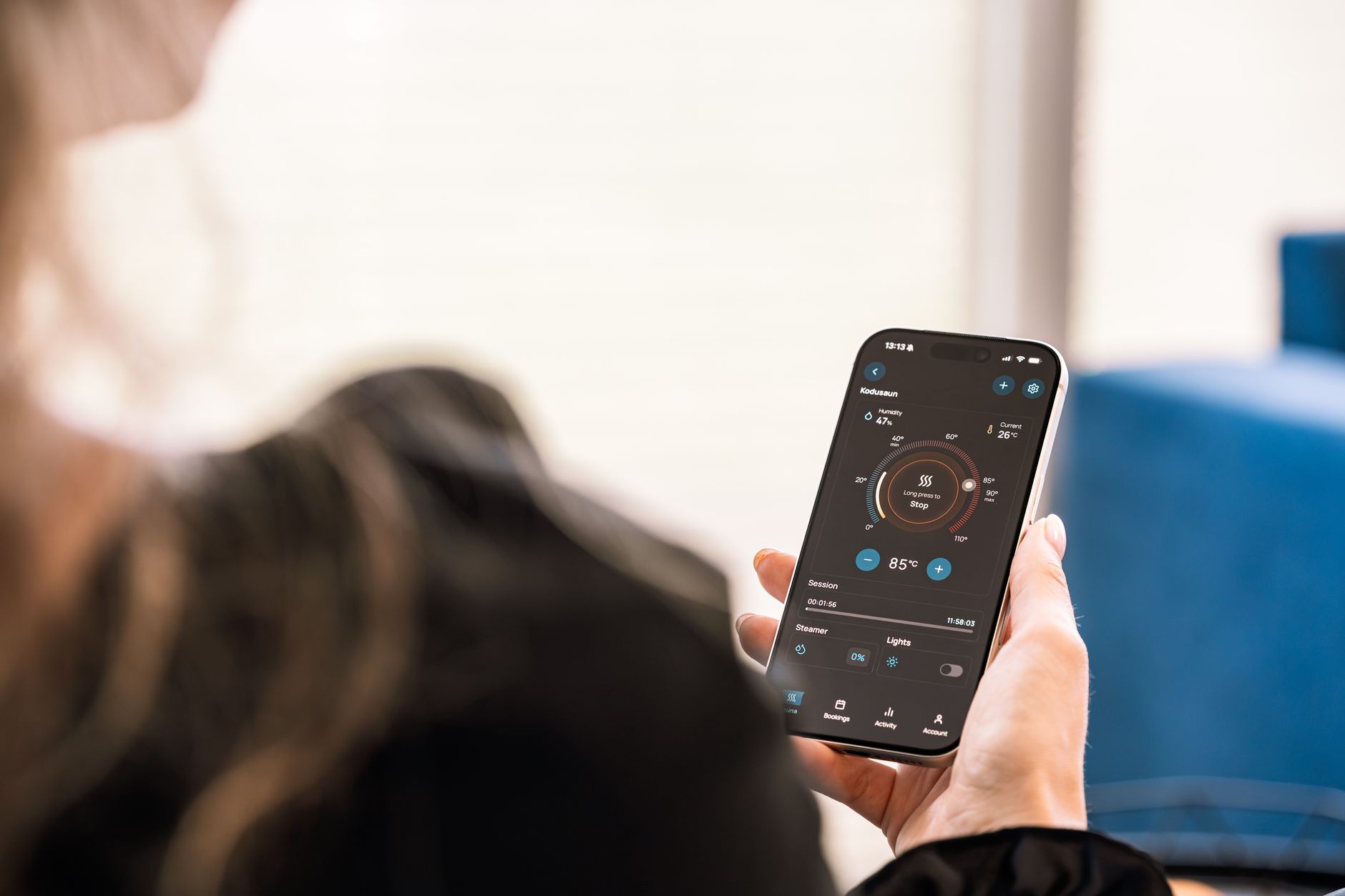
How do I get alerts if I leave my garage door open? This is the single biggest reason people upgrade. Most smart controllers use a tilt or position sensor that reports the door's exact state — open, closed, or halfway — to an app in real time.
You set a threshold (say, 10 minutes) and if the door's still open after that, you get a push notification. Many apps, including the Chamberlain myQ smart garage door controller , also log a full history so you can see exactly when the door opened and closed each day — handy if you've got teenagers with their own schedules.
Integrating Garage Access with Your Smart Home
Once your garage door is online, it stops being an isolated appliance. You can link it into routines: "Goodnight" on Google Home can lock doors, turn off lights, and confirm the garage is shut. Some systems also trigger garage-specific automations, like switching on garage lighting the moment the door opens after dark.

Retrofit Controllers vs Full Opener Replacements
This is the fork in the road for most buyers, and thankfully it's a simple decision once you know what you're working with.
How Retrofit WiFi Controllers Work
Can I add a smart controller to my existing garage door motor? In almost all cases, yes. Retrofit kits like the Chamberlain myQ Smart Garage Hub or Tesla Smart WiFi Garage Door Controller mount a small sensor on the motor unit and wire into the existing control terminals, or simply clip onto the wall button.
These kits work with most belt, chain and screw-drive motors manufactured in the last 15–20 years, including Australian-common brands like B&D, Merlin and Steel-Line. Installation is usually a 30–45 minute job, and most are genuinely DIY-friendly if you're comfortable with a screwdriver and the included wiring diagram.
Cost-wise, you're looking at $80–$200 for the controller itself, with no electrician required in most cases.
When You Need a Complete Opener Replacement
A retrofit won't help if your motor is genuinely ancient — pre-2000s units without a safety reverse sensor, or very old chain-drive systems with no accessible logic board. In these cases, it's safer (and often required by current Australian safety standards) to replace the entire opener.
Full smart openers such as the Chamberlain B970EVO myQ garage door opener run $350–$600 installed and include built-in WiFi, battery backup, and modern safety sensors as standard.
Compatibility with Australian Garage Door Brands
What garage door brands are compatible with smart WiFi controllers in Australia? Most retrofit controllers are designed to be brand-agnostic — they interface with the motor's control terminals rather than the door brand itself, so compatibility depends more on motor age and type than badge.
| Garage Door Brand (AU) | Typical Compatibility | Notes |
|---|---|---|
| B&D (Automatic) | High | Most post-2005 motors retrofit easily |
| Merlin | High | Many newer Merlin models have built-in WiFi already |
| Steel-Line | Medium-High | Older screw-drive units may need an adaptor kit |
| ATA (GDO-7/8 series) | High | Well-documented retrofit support |
| Centurion | Medium | Check terminal wiring compatibility first |
If in doubt, take a photo of your motor's model plate into Bunnings or Total Tools before buying — staff can usually confirm compatibility on the spot.
Key App Features to Look For
Not all garage door apps are created equal. Before buying, check for:
- Real-time status — not just "last known state"
- Open-door alerts with custom time thresholds
- Activity history — who opened it and when
- Guest access — temporary codes for tradies or visitors
- Offline fallback — the door should still work manually if WiFi drops
Voice Control Integration with Google Home and Alexa
Does a smart garage door opener work with Google Home and Alexa? Most mainstream options do, including myQ and Tesla Smart controllers. You can ask "Hey Google, is the garage door closed?" or set up routines that close it automatically when you say "I'm leaving."
One quirk worth knowing: Google and Amazon both restrict voice-only opening as a security measure — you'll often need to confirm via a PIN or app tap to open (though closing by voice alone is usually allowed).

Security Considerations for Smart Garage Access
Is it safe to control my garage door with my phone? Yes, provided you use a reputable brand with encrypted app communication and two-factor authentication enabled. Avoid cheap no-name WiFi relay kits from marketplace sellers with no ongoing firmware support — they're the ones most likely to have unpatched vulnerabilities.
Basic habits matter too: use a strong, unique password for the app, keep firmware updated, and disable any "always open" voice shortcuts if you've got smart speakers within earshot of windows.
Installation: DIY or Call a Professional
Most retrofit kits are designed for DIY installation and come with clear wiring diagrams — if you can change a light fitting, you can likely manage this.
Call a professional (or your garage door installer) if:
- Your motor has no accessible wiring terminals
- You're replacing the full opener unit
- Your garage has no existing WiFi signal (may need a mesh extender)
- You're not confident working near the door's safety sensors
Professional installation for a full opener typically adds $100–$150 to the job.
Choosing the Right Smart Opener for Your Home
What is the best smart garage door opener for Australian homes? For most people with an existing motor in reasonable condition, a retrofit controller like the Chamberlain myQ Smart Garage Hub offers the best value — strong app support, reliable alerts, and wide compatibility with Australian brands.
If your opener is due for replacement anyway, go with a full smart unit like the Chamberlain B970EVO, which bundles the smart features with a modern, safety-compliant motor.
Budget-focused buyers can consider the Tesla Smart WiFi Garage Door Controller, which costs less but still covers the essentials — status alerts, app control and voice integration.
The Bottom Line
You don't need to replace a perfectly good garage door motor to get smart features. For most Australian homes, a $100–$200 retrofit WiFi controller delivers real-time alerts, remote control and smart home integration within an afternoon's work.
Save the full opener replacement for motors that are genuinely outdated or missing modern safety sensors — and when in doubt, check compatibility before you buy.