
How to Prepare Your Home's Exterior for Winter: Autumn Checklist
Quick summary: Winter home preparation in Australia comes down to six jobs: clean the gutters, inspect the roof, seal draughts, tidy the garden, protect outdoor furniture, and service your heating. Do this autumn checklist over one or two weekends and you'll avoid costly water damage, lower your power bills, and skip the mad scramble once the first cold front hits.
Autumn is short in most of Australia, and it's easy to let it slide straight into winter without doing much more than digging out a jumper. But this is genuinely the best window to get ahead of the weather.
If you're wondering how do I prepare my house for winter in Australia, the honest answer is: start outside, work inward, and don't leave it until the first big storm.
Why Autumn Prep Matters Before Winter Hits
Most winter home damage isn't caused by one dramatic storm. It's caused by small problems — a blocked gutter, a cracked seal, a gap under a door — that get worse under sustained cold, wind and rain.
Autumn gives you dry, mild weekends to fix these things properly, without standing on a wet roof or fighting a draught while it's actually draughty.
There's a cost angle too. The Australian Bureau of Statistics and various energy retailer reports consistently show heating accounts for a large chunk of winter power bills in southern states. Basic weatherproofing tips like sealing gaps can shave a real percentage off that without spending much at all.
Common Winter Damage Costs to Avoid
A few numbers worth knowing before you start:
- Blocked gutter overflow causing fascia or ceiling water damage: repairs often run $800–$3,000+ depending on severity.
- Cracked roof tiles or rusted flashing left unfixed: can lead to $1,500–$5,000 in ceiling and insulation damage after one wet winter.
- Draughty windows and doors: can add hundreds of dollars a year to heating bills in a poorly sealed home.
- Frost or wind damage to unprotected plants: replacing established shrubs can cost more than a bag of mulch and an afternoon of pruning.
None of these are expensive to prevent. They're expensive to ignore.
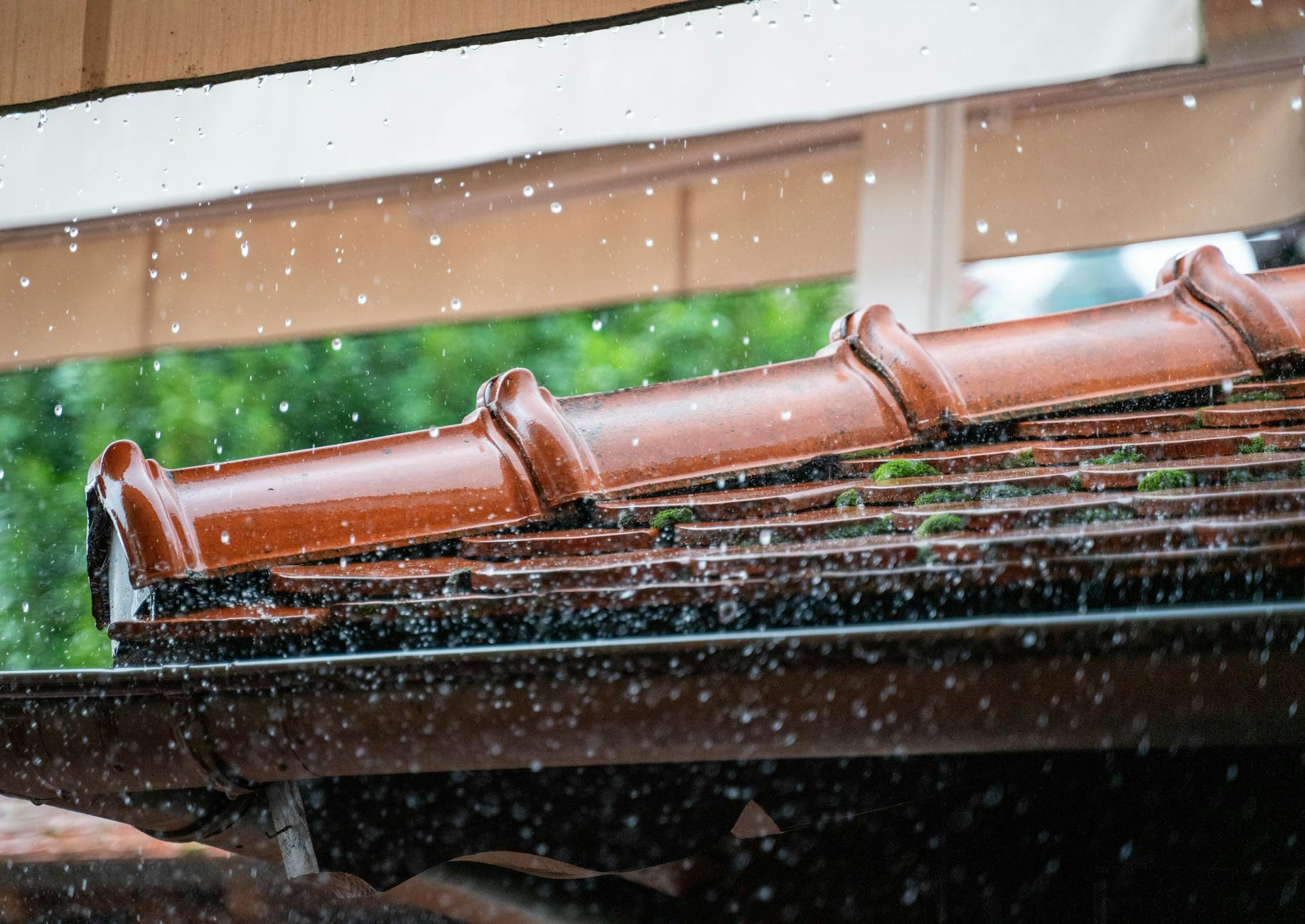
Step 1: Inspect and Clean Your Gutters
Gutter maintenance is the single most skipped autumn job, and it's the one that causes the most expensive damage.
Leaves, seed pods and general grime build up fast in autumn, especially if you've got gums, jacarandas or deciduous trees nearby. A blocked gutter can't move water away from your roofline, so it backs up under tiles or over fascia boards.
How often should gutters be cleaned before winter? For most homes, once in early-to-mid autumn and again just before the heaviest winter rain is realistic — so two cleans, roughly six to eight weeks apart. If you've got overhanging trees, add a third clean mid-winter.
You can do this yourself with a sturdy ladder, gloves and a garden hose, or a gutter cleaning scoop tool makes the job faster without needing to fully commit your hand to wet leaf sludge. Budget half a day for a standard single-storey home.
If you're not confident on a ladder, a professional gutter clean typically costs $150–$350 depending on house size and roof pitch — cheap insurance against water damage.
Signs Your Gutters Need Repair
While you're up there, look for:
- Sagging sections or gutters pulling away from brackets
- Rust spots or small holes
- Water stains on the fascia board underneath
- Downpipes that are loose, dented or disconnected at the base
Sagging and rust usually mean it's time for new brackets or a partial gutter replacement rather than another clean. A local roofer or gutter specialist can usually quote this on the spot.
Step 2: Check Your Roof for Damage
Once the gutters are sorted, look at the roof itself. This is where most Australian homes are most exposed heading into winter storms.
What should I check on my roof before winter starts? Start from the ground with binoculars if you're not comfortable climbing up — you can spot a lot without setting foot on the roof.
What to Look For During a Roof Inspection
- Cracked, slipped or missing tiles — common after a hot summer that's dried out old mortar
- Rusted or lifted metal roof sheets, especially around screw fixings
- Damaged flashing around chimneys, vents and skylights — this is a classic leak point
- Moss or lichen buildup, which holds moisture against the roof surface
- Sagging areas, which can indicate structural or water damage underneath
If you spot anything beyond minor wear, get a licensed roofer out before winter rather than after a leak appears. A basic roof inspection typically costs $150–$300, and most roofers will roll that into the repair quote if work's needed.

Step 3: Seal Draughts and Weatherproof Windows and Doors
This is the cheapest, highest-return job on the whole list.
How do I stop cold draughts coming into my house? Start with a lit incense stick or a candle on a still day — hold it near window frames, door edges and skirting boards. If the smoke flickers or bends, you've found a draught.
Common fixes:
- Self-adhesive foam or rubber door seals — door draught seal strip costs around $10–$20 per door and takes ten minutes to fit.
- Door snakes or draught stoppers for the bottom of external doors — good budget option if you're renting.
- Window seal tape for gaps around older timber-framed windows.
- Gap filler or silicone sealant for cracks around external door and window frames — a Selleys No More Gaps tube from Bunnings costs about $12 and covers several openings.
- Keyhole and letterbox covers, which are surprisingly common draught sources in older homes.
So how do I weatherproof my house before winter in Australia more broadly? Draught-proofing is step one, but also check for gaps around exhaust fans, old air conditioning sleeves, and where pipes enter external walls. These are easy to forget and just as leaky as a window frame.
Heavier thermal curtains also help retain warmth overnight — worth considering for any room you heat regularly.
Step 4: Prepare Garden Beds and Outdoor Plants
Your garden needs its own version of winter home preparation, particularly if you're in a frost-prone area of NSW, Victoria, the ACT or Tasmania.
Clear out spent summer annuals and dead growth, which can harbour pests and fungal issues over the cooler, wetter months. Give garden beds a light weed before winter locks in — it's much harder once the ground's cold and wet.
Mulching and Pruning Before Winter
Mulching is your best low-effort protection against frost and cold soil. A layer of sugar cane mulch or bark chip, about 5–7cm deep, insulates root systems and helps retain soil warmth overnight.
Pruning before winter should be selective:
- Prune roses, deciduous fruit trees and dormant-season plants once they've dropped leaves.
- Avoid heavy pruning of frost-tender natives right before winter — wait until after the cold snap passes.
- Cut back dead perennial growth to clean up beds and reduce fungal problems.
A bag of mulch from Bunnings runs $8–$12 and covers a surprising amount of garden bed — one of the best value jobs on this whole checklist.
Step 5: Store or Cover Outdoor Furniture
When should I bring outdoor furniture inside for winter? As a general rule, once night temperatures are regularly dropping below 10°C in your area — typically April to May in southern states, a little later further north.
If you don't have storage space, a decent outdoor furniture cover makes a big difference. Look for a waterproof outdoor furniture cover with UV-stabilised fabric, generally $30–$70 depending on size, rather than a cheap tarp that traps moisture underneath and encourages mould.
Timber furniture benefits from an oil treatment before covering for winter — it helps prevent cracking and swelling from moisture cycling through the cold months.

Step 6: Service Heating Systems and Check Insulation
Before the first genuinely cold week, get your heating checked rather than discovering a fault when you actually need it.
- Ducted or split system heating: book a service, clean or replace filters — dirty filters reduce efficiency and push up running costs.
- Gas heaters: have these checked by a licensed technician for carbon monoxide safety, particularly if it's more than a couple of years since the last service.
- Wood heaters: get the flue swept if you use one regularly.
While you're thinking about heat retention, check ceiling insulation if you can access the manhole safely. Thin, patchy or compressed insulation is a common reason homes feel cold despite decent heating — topping it up is one of the most effective long-term weatherproofing tips available, even though it's a bigger job than most on this list.
Final Autumn Checklist Summary
| Job | Frequency/Timing | Approx. Cost | Priority |
|---|---|---|---|
| Clean gutters | Early autumn + pre-winter | $0 (DIY) or $150–$350 | High |
| Roof inspection | Once before winter | $150–$300 | High |
| Seal draughts | Once, review yearly | $10–$50 | High |
| Mulch & prune garden | Mid autumn | $8–$12 per bag | Medium |
| Cover/store furniture | When nights drop below 10°C | $30–$70 | Medium |
| Service heating | Before first cold week | $100–$250 | High |
Bottom Line
Winter home preparation doesn't need to be complicated or expensive — it's mostly small, practical jobs done at the right time. Gutter maintenance and a proper roof check protect you from the costliest damage, while sealing draughts is the cheapest win for your winter power bill.
Tackle this autumn checklist over a couple of weekends, tick off the higher-priority items first, and you'll head into the cold months with a home that's actually ready for it — rather than reacting to problems once the rain and wind arrive.