Autumn Garden Cleanup Checklist: Preparing Your Australian Garden for Winter
Quick Summary: Autumn garden cleanup varies significantly across Australia's climate zones. Focus on pruning deciduous trees, applying winter fertiliser, planting cool-season vegetables, and protecting tender plants from frost. Complete these essential tasks between March and May for optimal winter garden health.
As the temperature drops and daylight hours shorten, it's time to shift your gardening focus from summer maintenance to winter preparation. Proper autumn garden cleanup sets the foundation for a thriving garden when spring arrives, and the specific tasks depend heavily on where you live in Australia.
Essential Autumn Garden Tasks by Climate Zone
Australia's diverse climate zones require different approaches to autumn garden preparation. Understanding your local conditions is crucial for timing your cleanup activities correctly.
Tropical and Subtropical Zones (Northern Australia)
In tropical and subtropical regions including Queensland, Northern Territory, and northern Western Australia, autumn brings relief from intense summer heat and humidity.
April through June is your prime cleanup window. Focus on clearing away cyclone-damaged branches and refreshing mulch beds that may have been washed away during wet season storms. The Cyclone Eddy Leaf Blower at around $89 makes quick work of gathering debris from large properties.
Plant heat-sensitive vegetables like lettuce, spinach, and Asian greens that struggle in summer temperatures. This is also ideal timing for establishing new garden beds, as plants have several months of mild weather to establish strong root systems before next summer's heat.
Prune tropical fruit trees after harvest, typically between April and June. Remove dead wood, crossing branches, and suckers to improve air circulation and reduce disease pressure during the upcoming dry season.
Temperate Zones (Southern Australia)
Southern states including Victoria, Tasmania, South Australia, and southern New South Wales experience true seasonal changes requiring more intensive autumn preparation.
March through May is your critical preparation window. Begin with a thorough garden inspection, removing any diseased plant material that could harbour problems over winter. The cooler, wetter months ahead create perfect conditions for fungal diseases to spread.
Rake and compost fallen leaves regularly – don't let them pile up and create soggy mats that encourage pest problems. A quality rake like the Bulldog Premier Lawn Rake at $34 makes this task much more efficient.
Apply winter fertiliser to established trees and shrubs by mid-April. This gives plants time to absorb nutrients before growth slows in winter.

Pruning and Tree Care
Proper pruning timing can make the difference between a healthy, productive garden and one plagued by disease and poor growth.
Deciduous Tree Pruning Timing
When should I prune deciduous trees in autumn Australia? The answer depends on your specific trees and location, but generally, wait until leaves have fallen and trees enter dormancy.
In temperate zones, this typically occurs between May and July. Prune stone fruits like peaches and plums first, as they benefit from earlier pruning to reduce disease risk. Apple and pear trees can wait until mid-winter.
Never prune during active leaf fall – wait until the process is complete. Trees are still moving nutrients from leaves to roots during this period, and premature pruning disrupts this vital process.
Use clean, sharp tools to prevent disease transmission. The Felco F-2 Classic Manual Hand Pruner at $89 is an excellent investment for regular pruning tasks, while larger jobs may require a pruning saw like the Silky Gomboy Curve 240 at $125.
Remove dead, diseased, and damaged wood first. Then focus on improving tree structure by removing crossing branches, water shoots, and branches growing toward the centre of the tree.
Shrub Maintenance
Most flowering shrubs benefit from post-bloom pruning in autumn. This includes popular Australian natives like grevilleas, banksias, and bottlebrush.
Prune lightly to maintain shape and remove spent flower heads. Heavy pruning of natives should be avoided, as many species don't regenerate well from old wood.
For deciduous shrubs like roses, wait until they're fully dormant before major pruning. Remove about one-third of old canes and any diseased material. Apply a layer of compost around the base after pruning.
Lawn Care and Fertilising
Cool-season grasses enter their second growing period during autumn, making this an ideal time for lawn renovation and feeding.
Autumn Fertiliser Application
Apply a complete lawn fertiliser with higher potassium content to help grass plants build cold tolerance. Products like Seasol PowerFeed Troforte All Purpose at $19 for a 4kg bag provide slow-release nutrition perfect for autumn application.
Timing is crucial – apply fertiliser 6-8 weeks before your expected first frost. This gives grass time to absorb nutrients and develop stronger root systems without promoting soft growth vulnerable to cold damage.
Water fertiliser in thoroughly and avoid application before heavy rain that might wash nutrients away.
Leaf Cleanup and Composting
Regular leaf cleanup prevents lawn suffocation and reduces disease pressure, but don't waste this valuable organic matter.
Rake leaves weekly during peak fall, focusing on keeping lawn areas clear while allowing some leaf litter to remain under trees and in garden beds as natural mulch.
Create a dedicated compost pile for autumn leaves, mixing them with green materials like kitchen scraps and grass clippings. Shred large leaves with a mower first to speed decomposition.

Winter Vegetable Planting
What vegetables can I plant in winter in Australia? The answer varies significantly by region, but autumn planting ensures winter harvests when fresh produce is most expensive.
Cool Season Crops by Region
In temperate zones, plant broad beans, peas, onions, garlic, and brassicas like cabbage, broccoli, and cauliflower between March and May. These crops actually prefer cooler weather and will provide harvests through winter and into spring.
Subtropical regions can grow additional options including Asian greens, lettuce, spinach, and root vegetables like carrots and beetroot. Plant these crops between April and July for continuous winter harvests.
Tropical zones have the luxury of year-round growing but should focus on heat-sensitive crops during their "winter" months of May through August.
Soil Preparation Techniques
Prepare winter vegetable beds by adding compost and well-rotted manure. Cool-season crops are heavy feeders requiring rich, well-draining soil.
Test soil pH and adjust if necessary – most winter vegetables prefer slightly alkaline conditions around 6.5-7.0 pH. Add lime to acidic soils several weeks before planting.
Consider raised beds in areas with poor drainage, as winter vegetables hate waterlogged conditions that promote root rot.
Frost Protection Strategies
How do I protect my plants from frost in winter? Preparation is key, especially for gardeners in frost-prone areas.
Protecting Tender Plants
Identify vulnerable plants including citrus trees, tropical ornamentals, and recently planted specimens. These need active protection during frost events.
Install frost cloth or shadecloth around sensitive plants, creating a barrier that traps warm air close to plants. The Coolaroo Shade Cloth 70% at $45 for a 3.66m x 10m roll provides excellent frost protection.
For potted plants, group containers together and move them to sheltered locations like verandas or against north-facing walls that radiate stored heat.
Water plants thoroughly before predicted frost events – well-hydrated plants are more frost-resistant than drought-stressed ones.
Mulching for Winter Protection
Apply thick mulch layers around tender plants and newly planted specimens. Organic mulches like sugar cane or pea straw provide insulation while gradually breaking down to improve soil.
Keep mulch several centimetres away from plant stems to prevent pest and disease issues. Aim for 7-10cm depth for maximum insulation value.
Refresh existing mulch beds that may have thinned over summer, particularly around roses, fruit trees, and perennial borders.
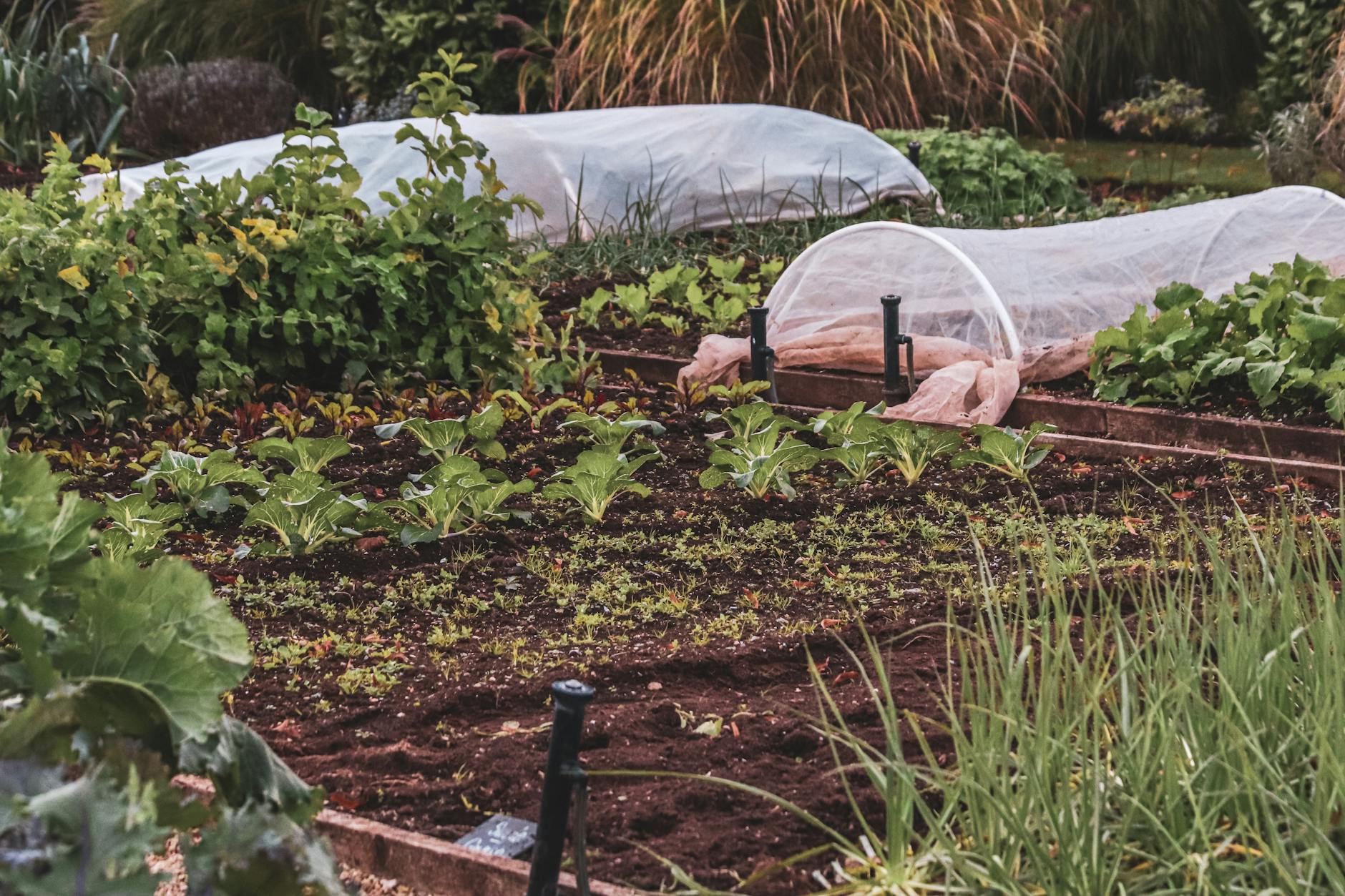
Preparing Garden Beds for Dormancy
What should I do in my garden during autumn in Australia to prepare beds for winter? Focus on cleaning up, protecting, and planning for spring.
Remove spent annual flowers and vegetables, composting healthy plant material and disposing of diseased specimens in household waste. Clear weeds before they set seed – this prevents spring weed explosions.
Apply compost or well-rotted manure to empty beds, working it into the top 10-15cm of soil. Winter weather will break down organic matter, creating perfect soil conditions for spring planting.
Consider planting green manure crops like mustard or lupins in empty vegetable beds. These crops improve soil structure and add nutrients when dug in during winter.
Plant spring-flowering bulbs including daffodils, tulips (in cooler areas), and native bulbs like blue bells and chocolate lilies. Most bulbs need 12-16 weeks of cold treatment to flower properly.
How do I prepare my Australian garden for winter months effectively? Create a maintenance schedule covering all major tasks, spreading work over several weekends to avoid overwhelming yourself.
Bottom Line
Successful autumn garden cleanup requires understanding your local climate and timing tasks appropriately. Start with essential safety tasks like removing storm-damaged branches, then focus on feeding and protecting plants for winter.
Invest in quality tools that make tasks easier and more efficient – good pruning shears, a reliable rake, and frost protection materials pay for themselves quickly. Remember that autumn preparation directly impacts spring garden performance, so don't skip these crucial tasks.
Budget around $150-250 for essential supplies including fertiliser, mulch, frost cloth, and replacement tools. This investment ensures your garden not only survives winter but emerges stronger and more productive when warm weather returns.