
How to Winterise Your Garden: Autumn Preparation Guide for Australia
Quick Summary: Preparing your garden for winter in Australia requires zone-specific timing, strategic pruning of natives and fruit trees, frost protection for sensitive plants, proper mulching techniques, final lawn care, and planting cool-season vegetables. Start preparations 6-8 weeks before your area's first expected frost date.
As autumn settles across Australia, experienced gardeners know this is the critical time to winterise your garden for the cooler months ahead. Whether you're in Melbourne's frost-prone suburbs or Brisbane's subtropical climate, proper winter preparation protects your plant investments and sets the stage for vigorous spring growth.
The key to successful winter gardening lies in understanding your local climate zone and timing your preparations accordingly. From pruning schedules to frost protection strategies, this comprehensive guide covers everything you need to know about preparing your Australian garden for winter.
Understanding Australian Winter Climate Zones
Australia's diverse climate zones require different winter preparation strategies. Understanding your local conditions is the foundation of effective garden winterisation.
Temperate zones vs tropical regions
Temperate zones across southern Australia—including Melbourne, Adelaide, Perth, and southern NSW—experience genuine winter conditions with frost, shorter daylight hours, and dormant plant periods. These areas require comprehensive winter preparation including frost protection, strategic pruning, and seasonal plant changes.
In contrast, tropical and subtropical regions like Darwin, Cairns, and much of Queensland experience a "dry season" rather than true winter. Here, winter preparation focuses more on managing reduced rainfall and occasional cool snaps rather than frost protection.
Brisbane, the Gold Coast, and northern NSW sit in the subtropical zone, experiencing mild winters with occasional frost in inland areas. These regions require moderate winter preparation, focusing on protecting tender plants and taking advantage of cooler growing conditions for winter vegetables.
Frost dates and timing your preparation
When should I start preparing my garden for winter in Australia? The timing depends entirely on your location's frost patterns. Melbourne gardeners should begin winter preparations in early March, with first frosts typically arriving in May. Sydney's milder climate allows preparation to start in late March or early April, with light frosts possible from June onwards.
Perth gardeners have the luxury of starting later, around mid-April, as frosts are rare and usually light. Adelaide follows a similar timeline to Melbourne, requiring early March preparation for May frosts.
Keep detailed records of your area's frost dates over several years. This data becomes invaluable for timing winter preparation activities and selecting appropriate plant protection methods.

Essential Autumn Pruning Schedule
Proper pruning timing is crucial for plant health and winter survival. Different plant types require specific autumn maintenance schedules.
Native plants that need autumn pruning
How do I know which native plants to prune in autumn? Australian natives generally require minimal pruning, but some benefit from autumn maintenance. Grevilleas, banksias, and bottlebrush varieties respond well to light pruning after flowering, typically occurring in autumn for many species.
Remove dead flower heads from eucalyptus and melaleuca species to prevent energy waste. Wattles (Acacia species) benefit from light tip pruning after flowering to maintain shape and encourage dense growth.
Native grasses like kangaroo grass and lomandra should be cut back by one-third in late autumn, around April in temperate zones. This encourages fresh growth and prevents the build-up of dead material that can harbour pests.
Fruit trees and citrus care
Deciduous fruit trees require different autumn care than evergreen citrus trees. Apple, pear, and stone fruit trees should receive their major pruning in late winter (July-August) rather than autumn. However, autumn is perfect for removing diseased wood, cleaning up fallen fruit, and applying copper-based fungicide sprays.
How to protect citrus trees from frost in Melbourne and other cool areas becomes critical as temperatures drop. Citrus trees are frost-sensitive and require protection in temperate zones. Apply a thick organic mulch around the base, keeping it away from the trunk. Consider wrapping young trees in frost cloth or hessian when temperatures are forecast to drop below 2°C.
Mature citrus trees benefit from reduced watering in autumn, allowing them to slow growth and build cold tolerance. Apply a potassium-rich fertiliser like Yates Thrive Citrus Plant Food in early autumn to strengthen cell walls against frost damage.
Rose and flowering shrub maintenance
Roses require specific autumn care to survive winter and bloom prolifically in spring. Begin by removing dead-heading spent blooms and clearing fallen leaves that may harbour fungal diseases. Apply a final liquid feed with Charlie Carp All Purpose Liquid Fertiliser in early autumn, then cease feeding to allow plants to naturally slow their growth.
Climbing roses need strategic autumn pruning to remove old, unproductive canes while preserving young growth for next season's flowers. Hybrid tea roses benefit from light pruning to reduce wind damage, with major pruning scheduled for late winter.
Lavender should be lightly pruned after flowering, typically in autumn. Remove spent flower stems and lightly trim foliage, but avoid cutting into old woody growth.
Protecting Plants from Frost Damage
Frost protection is essential for maintaining tender plants through Australian winters, particularly in temperate zones.
Identifying frost-sensitive plants
What plants need protection from frost in Australian gardens? Tender perennials like impatiens, begonias, and coleus require protection or removal before first frost. Subtropical plants including frangipani, bougainvillea, and hibiscus need covering when temperatures drop below 5°C.
Newly planted trees and shrubs are particularly vulnerable, regardless of their mature cold tolerance. Even hardy natives require protection during their first winter establishment period.
Potted plants face additional challenges as their roots are more exposed to temperature fluctuations. Consider moving container plants to protected locations or insulating pots with bubble wrap or hessian.
Covering techniques and materials
Frost cloth provides excellent protection while allowing light penetration and air circulation. Whites Outdoor Frost Protection Cloth offers professional-grade protection suitable for large shrubs and small trees.
For individual plants, use plant covers or even household items like sheets or towels. Avoid plastic directly touching plant foliage, as condensation can cause damage. Create a framework using stakes or tomato cages to prevent covers from resting on plants.
Hessian bags work particularly well for protecting citrus trees and other large shrubs. They're breathable, reusable, and provide good insulation while maintaining air circulation.
Microclimate creation strategies
Strategic microclimate creation can reduce or eliminate the need for active frost protection. Plant tender species on the north side of buildings or fences where they'll receive maximum sun exposure and radiant heat.
Use thermal mass elements like large rocks, concrete pavers, or water features near sensitive plants. These elements absorb heat during the day and release it slowly overnight, moderating temperature extremes.
Group plants according to their cold tolerance, creating warmer microclimates for tender species while allowing hardy plants to experience natural temperature fluctuations.
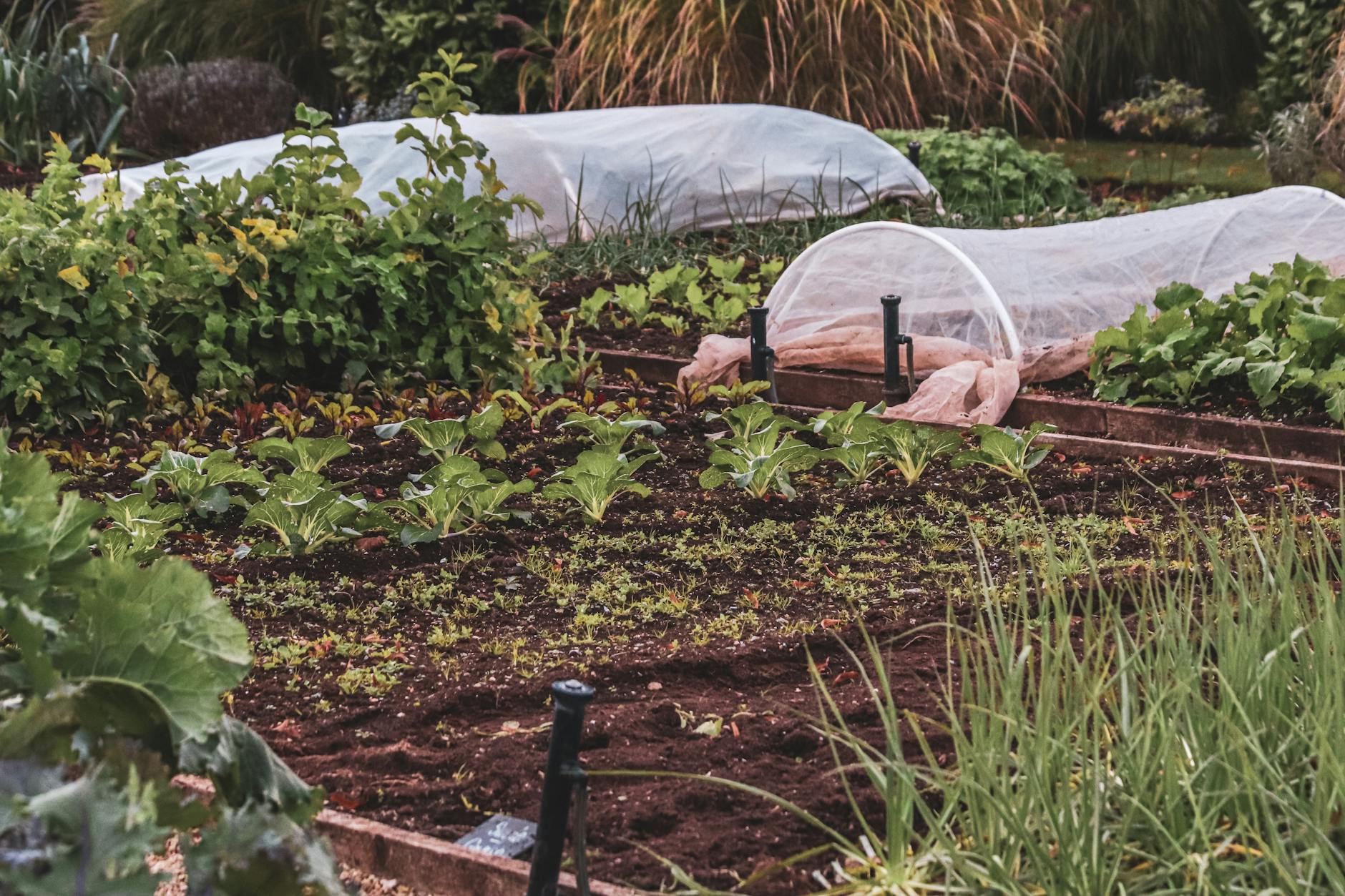
Mulching for Winter Protection
Proper mulching provides insulation, moisture retention, and weed suppression through winter months.
Best mulch types for Australian conditions
Organic mulches excel in Australian conditions, breaking down to improve soil structure while providing plant protection. Pine bark chips offer excellent longevity and attractive appearance, making them ideal for ornamental gardens.
Sugar cane mulch breaks down quickly, providing rapid soil improvement and excellent moisture retention. It's particularly valuable for vegetable gardens and annual flower beds.
Lucerne hay provides nitrogen as it decomposes, making it excellent for feeding hungry plants like roses and fruit trees. However, ensure it's seed-free to prevent weed issues.
Richgro Pine Bark Chips provide professional-quality mulch suitable for large garden areas, available in various grades to suit different applications.
Proper mulching techniques
Apply mulch to a depth of 75-100mm, keeping it 150mm away from plant stems and tree trunks. This prevents collar rot and pest harbourage while providing effective insulation.
Ensure soil is moist before mulching, as dry mulch can actually prevent rainfall from reaching plant roots. Water thoroughly if conditions are dry before applying your winter mulch layer.
Refresh existing mulch rather than adding new layers on top. Remove old mulch that has broken down into fine particles, as this can form an impermeable barrier preventing air and water penetration.
Winter Lawn Care and Maintenance
Proper autumn lawn care sets the foundation for healthy grass through winter dormancy and vigorous spring recovery.
Final mowing and fertilising
Gradually reduce mowing height through autumn, finishing with the lowest recommended setting for your grass type. This prevents snow mold in areas that receive winter snow and reduces the likelihood of pest harbourage.
Apply a winter fertiliser high in potassium to strengthen grass against cold damage. Lawn Solutions Australia Winter Lawn Fertiliser provides the ideal nutrient balance for Australian grass varieties entering dormancy.
Complete final fertilising 6-8 weeks before expected dormancy to allow nutrients to be absorbed and utilised before growth slows.
Weed prevention strategies
Apply pre-emergent herbicides in early autumn to prevent winter weeds from establishing. Products containing oxadiazon or pendimethalin provide excellent broad-spectrum weed prevention.
Hand-remove existing broadleaf weeds before they set seed, as many weeds complete their lifecycle during cooler months when grass growth slows.
Consider overseeding thin areas with cool-season grass varieties like perennial ryegrass in temperate zones, providing green cover through winter months.

Planting Winter Vegetables and Herbs
Winter vegetable gardening extends your growing season and provides fresh produce when commercial prices peak.
Cool-season crops for different zones
What vegetables can I plant in winter in Australia varies significantly by climate zone. Melbourne gardeners can grow brassicas like broccoli, cauliflower, and Brussels sprouts, along with root vegetables including carrots, parsnips, and turnips.
Sydney's milder winters support a broader range including Asian greens, lettuce varieties, and even cool-season tomatoes in protected positions. Peas and broad beans thrive in Sydney's winter conditions.
Perth gardeners enjoy ideal winter growing conditions for Mediterranean crops including artichokes, fennel, and various herbs. The mild, wet winters provide perfect conditions for leafy greens and root vegetables.
Succession planting schedules
Implement succession planting schedules to ensure continuous harvests through winter months. Plant lettuce and Asian greens every 2-3 weeks from March through May for steady supply.
Sow peas and broad beans in multiple plantings 3-4 weeks apart, extending harvest periods and reducing glut situations. This strategy works particularly well in temperate zones where growing seasons are shorter.
Consider cold frames or mini polytunnels to extend growing seasons further. Greenhouse People Mini Polytunnel provides excellent protection for winter vegetables in cooler climates.
Plan spring plantings now by ordering seeds and preparing seedling areas. Many summer crops require early sowing in protected environments for optimal spring establishment.
Bottom Line
Successfully winterising your Australian garden requires understanding your local climate zone and timing preparations accordingly. Start 6-8 weeks before expected frost dates with strategic pruning of natives and fruit trees, implement comprehensive frost protection for sensitive plants, and apply proper mulching techniques for insulation and weed control.
Don't forget your lawn's final care routine and take advantage of winter growing opportunities with cool-season vegetables and herbs. With proper preparation, your garden will not only survive winter but emerge stronger and more productive for the following growing season.
Remember that winter gardening is about working with your climate rather than fighting it. By choosing appropriate plants, implementing proper protection strategies, and maintaining consistent care routines, you'll develop a resilient garden that provides year-round beauty and productivity.


